
In nursing homes, it sometimes happens that a caregiver enters a room at six in the morning for a change and hears an 87-year-old resident whispering “mom.” The mother in question has been deceased for over forty years. The scene repeats itself at different times with people of very varied profiles. Far from being anecdotal, this behavior is a signal that caregiving teams and relatives should decode rather than trivialize.
Attachment circuits and brain regression in the elderly
To understand why an elderly person calls for their mother, we must look at neurology before psychology. The amygdala, hippocampus, and prefrontal cortex together form the attachment circuits. These are the ones that, from the first months of life, associate the maternal figure with safety.
In an elderly person experiencing acute stress (hospitalization, pain, nighttime confusion), these circuits reactivate regressively. The brain does not consciously “choose” to call for its mother. It returns to the oldest and most deeply ingrained pattern: that of the primary bond.
This reactivation explains why the call occurs even in perfectly lucid individuals, without diagnosed dementia. A spike in fever, a night of insomnia in a hospital room, or an episode of respiratory distress is enough to short-circuit recent cognitive layers and allow this archaic demand to resurface.
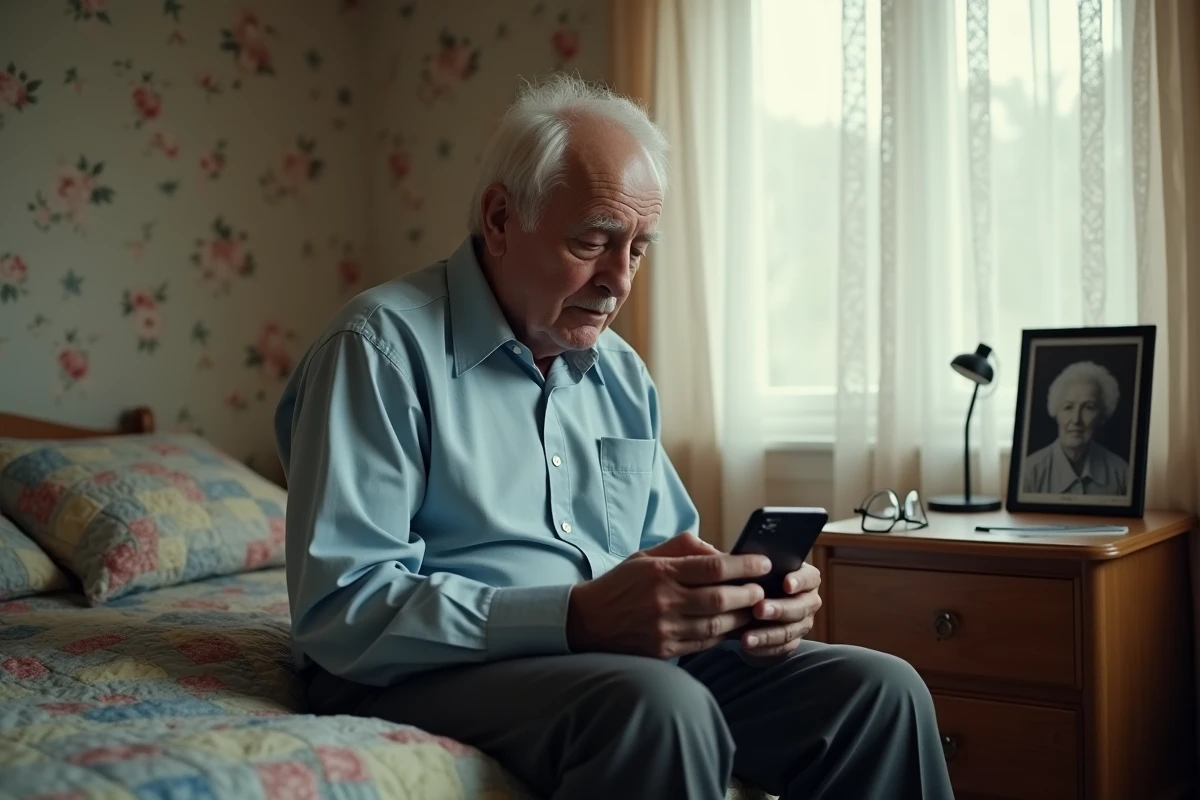
Calling for one’s mother without dementia: a marker of masked anxiety
The call to the mother is often associated with Alzheimer’s disease or confusion related to old age. Observations in geriatrics show a more nuanced reality.
In elderly individuals not suffering from severe dementia, this call is often correlated with masked depressive or anxious symptoms. Chronic insomnia, somatization (diffuse pain without identifiable cause), unusual irritability: these signs regularly go unnoticed because they are attributed to normal aging.
The call for the mother then acts as an emotional alarm signal. The person is not literally asking to see their mother. They are expressing a need for reassurance that their current surroundings are unable to fulfill, sometimes simply because no one has identified the underlying distress.
What relatives can spot
- A recent change in sleep patterns, with more frequent nighttime awakenings and agitation at bedtime
- Repeated physical complaints (stomach pain, feeling cold, joint pain) that do not have a clear medical cause
- A progressive social withdrawal, with an increasing refusal to participate in activities or receive visitors
- Episodes of sudden anger or crying, without an apparent trigger for relatives
When these signals accompany the call for the mother, it is not a whim or a simple reflex. A geriatric assessment including a mood evaluation becomes relevant.
Unmet needs in institutions: concrete and modifiable causes
The model of unmet needs, developed by researcher J. Cohen-Mansfield and adopted by French-speaking teams in recent years, changes the understanding of the problem. According to this approach, shouting or calling for one’s mother almost always reflects an unmet physical or environmental need.
The factors identified on the ground are often strikingly mundane:
- An inadequately assessed pain, especially in residents who no longer easily verbalize their symptoms
- Discomfort related to incontinence, constipation, or a persistent feeling of cold
- Care schedules that are not adapted to the person’s biological rhythm (too early hygiene, too late meals)
- An inappropriate sensory environment, either too noisy (hallway, communal television) or too lacking in stimulation
What stands out in this list is that each factor is modifiable without heavy intervention. Adjusting a change schedule, offering an extra blanket, reducing ambient noise: these simple actions significantly decrease the frequency of calls.
Biographical stimulations: using personal history
Field reports from Alzheimer units show that targeted use of biographical stimulations calms episodes of calling for the mother. This refers to photos of the mother placed within the person’s visual field, recordings of familiar voices, or objects related to childhood (a fabric, a scent, a type of music).
The goal is not to deceive the person but to respond to the emotional need that the call expresses. The photo does not replace the mother. It activates a memory associated with safety, which is sometimes enough to alleviate anxiety.
Feedback varies on this point: some teams report rapid calming, while others find that the effect diminishes if the stimulation becomes routine. Adaptation on a case-by-case basis remains the rule.
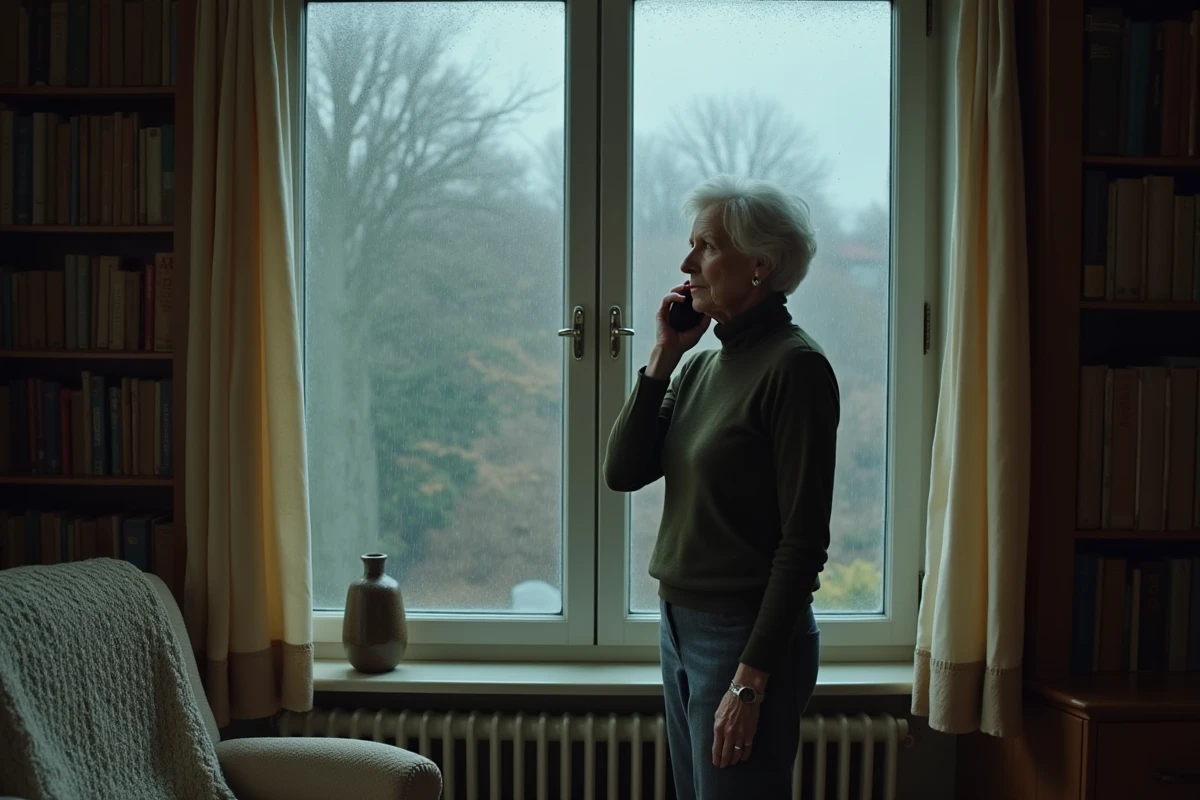
End of life and calling for the mother: what caregivers observe
In palliative care units, the call for the mother takes on a particular dimension. Caregivers describe patients who, after days of silence or minimal communication, call for their mother with an intensity that surprises by its strength. Some relatives report deep, almost visceral cries that resemble no other form of communication.
This phenomenon has long been documented by palliative care professionals. It is not limited to confused individuals. Lucid patients, capable of holding a coherent conversation just hours earlier, switch to this call when pain or anxiety crosses a threshold.
The reflex to call for the maternal figure seems to withstand everything, including advanced cognitive decline. For families present, the scene can be destabilizing. Knowing that this is a profound neurobiological mechanism, and not a rejection of loved ones at the bedside, helps to navigate this moment without unnecessary guilt.
What relatives and caregivers retain over time is that this call should not be corrected. It should be accompanied. Holding a hand, speaking in a calm voice, not contradicting the person asking for their mother: these gestures heal nothing, but they fulfill the function that the brain demands, that of a reassuring presence echoing the very first bond.