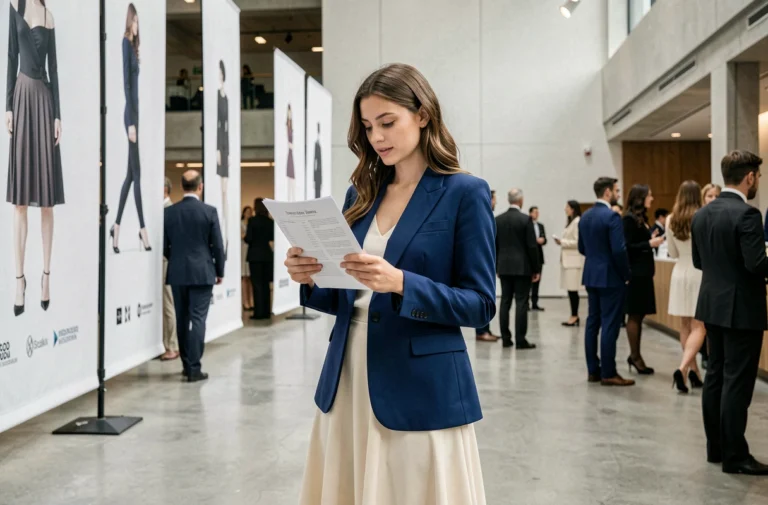
A “Made in” label on a bag never reveals the entire journey of the model. Behind the American facade cultivated by Michael Kors, a more nuanced reality emerges: manufacturing is organized on a large scale, between Asian, European, and South American workshops. Materials, know-how, industrial processes: nothing is fixed, everything circulates, everything adapts to the rhythm of global markets.
A Michael Kors bag brings together, behind the scenes, materials from several countries, assembled according to demanding criteria. The brand ensures its standards are upheld wherever they are applied, but today, it is ethical and ecological considerations that redefine industrial practices, including site selection.
The international origins of Michael Kors bags: New York territory, global networks
The design of a Michael Kors bag originates in a studio in New York, inspired by a strong American culture. But the image stops there: in reality, manufacturing extends well beyond Manhattan. The company, led by a graduate of the Fashion Institute of Technology, assembles a complex supply chain, spanning Asia, Turkey, and certain units in Europe.
At the heart of these logistical choices? The search for the right balance: skilled labor, cost optimization, proximity to resources, production flexibility. Chinese, Vietnamese, and Turkish workshops currently dominate manufacturing, while a specific segment, particularly leather work for the Kors Collection, is concentrated in Turkey.
The notion of traceability is gaining increasing importance, notably thanks to the vigilance of buyers. The label of the country of production rarely tells the whole story: it is not uncommon for the same bag to combine elements from several continents. Those who wish to broaden their understanding can refer to the article origin of Michael Kors bags, which details each step and the main current manufacturing areas.
Materials and processes: what truly distinguishes Michael Kors design?
In the workshops, the selection of materials adheres to a strict charter: robustness, touch, shine. Leather reigns supreme, sourced from certified tanneries, frequently referenced by the Leather Working Group. Depending on the line, the type of leather varies: the Jet Set line favors grained leather for its flexibility and durability, while other collections utilize smooth or exotic textures depending on the desired effect.
Raw materials, whether technical textiles, synthetics, or metal components, are selected through a demanding process. Chains, clasps, and embellishments come from alloys that withstand wear and oxidation. The idea remains the same: to ensure both aesthetics and durability.
Examples of applied processes and workshop controls
Various tools and techniques characterize the manufacturing of Michael Kors bags:
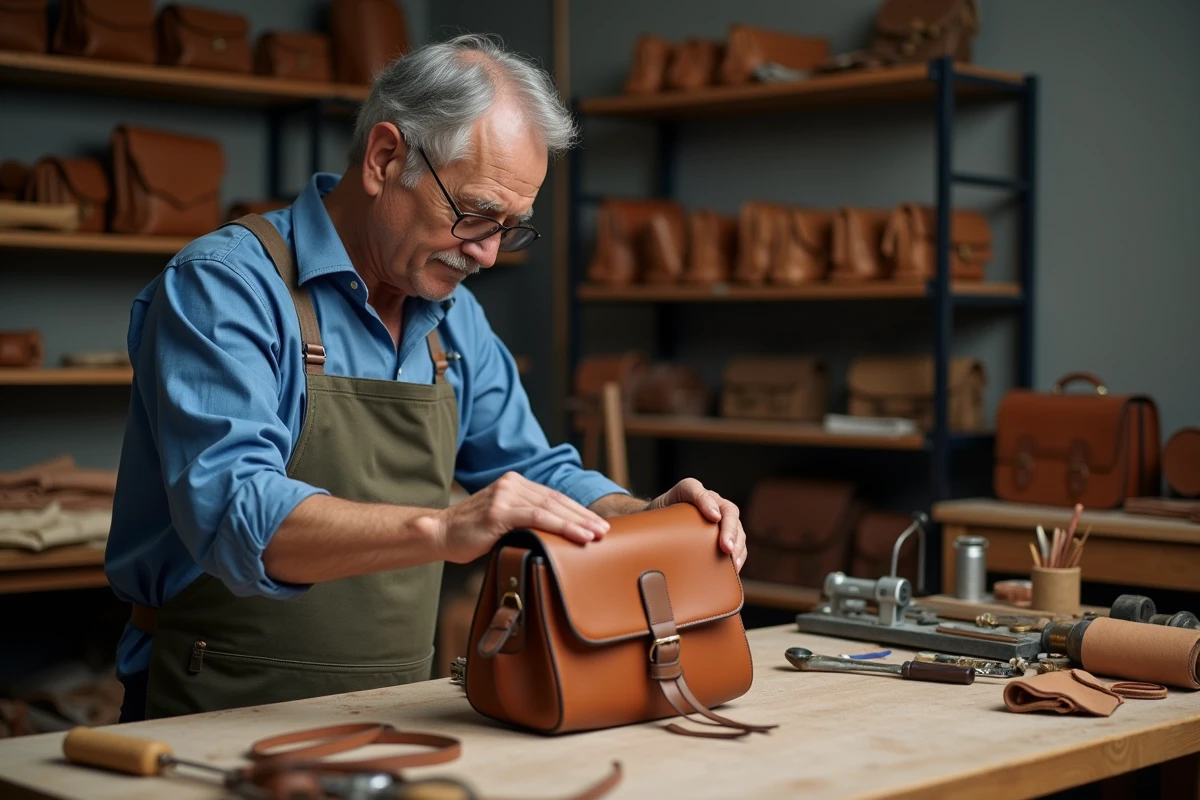
- Manual assembly of leather pieces to harmonize the grain and the strength of the seams.
- High-precision cutting using specialized machines to stay true to the designers’ patterns.
- Strict checks at every phase: visual inspection of finishes, handle strength tests, zipper durability tests, and lining inspections.
The procedure concludes with a double inspection: first in the production units, then on the logistics platforms. It is this level of demand that has forged the trust of enthusiasts, convinced by the value of a carefully crafted final product.
Quality, responsible commitments, and current position: where is Michael Kors headed?
At Michael Kors, every stage of manufacturing is accompanied by rigorous controls. Certifications, such as the silver medal from the Leather Working Group, attest to a concrete focus on managing natural resources and the sourcing of leathers.
Initiatives to limit environmental impact are now reflected in material choices, sourcing, and even packaging. Since 2022, a significant portion of recyclable retail packaging comes from committed supply chains, a visible advancement for consumers.
Within the company, labels like Kors Loves highlight models that meet demanding social and environmental criteria. The goal: to prioritize engaged partners for workplace well-being and to reduce emissions throughout the production chain.
Luxury is becoming more transparent, fashion is reconnecting with reality; Michael Kors aligns its expertise with new commitments. Each bag now whispers a story of style, but also of responsible choices, placing the brand in a new chapter where provenance matters as much as design.