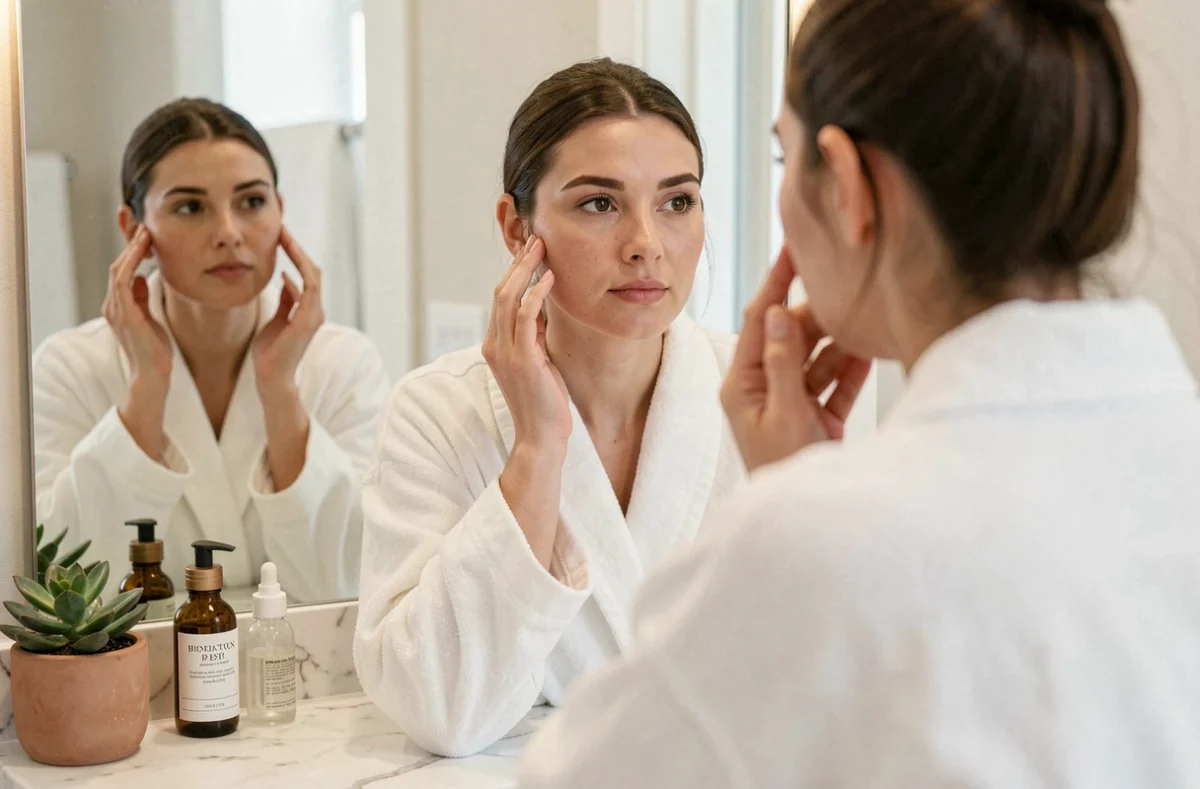
Multiplying serums, actives, and steps does not guarantee healthier skin. Recent recommendations for reactive skin go in the opposite direction: reduce the number of products, read labels more carefully, and understand the order of application. This article measures the gap between an overloaded beauty routine and a streamlined routine, relying on European regulatory developments and trends formulated by specialized sources in 2026.
Labeling of cosmetic allergens: what changes for your beauty routine
The European regulation on fragrance allergens has expanded the list of substances subject to mandatory labeling, increasing to over 80 references. New products must be compliant since July 31, 2026, while products already on the market benefit from an additional deadline until July 31, 2028.
For your daily routine, this evolution has a direct consequence: the INCI lists of your facial care, creams, and serums will lengthen. People prone to skin reactions now have a more reliable reading tool to rule out a product even before applying it.
Specifically, before purchasing a new product, turn the bottle around. If you find on the Oasis Of Beauty website product sheets detailing the complete composition, this transparency makes it easier to sort between compatible formulas and risky formulas for your skin type.
Short routine versus long routine: comparison for sensitive skin
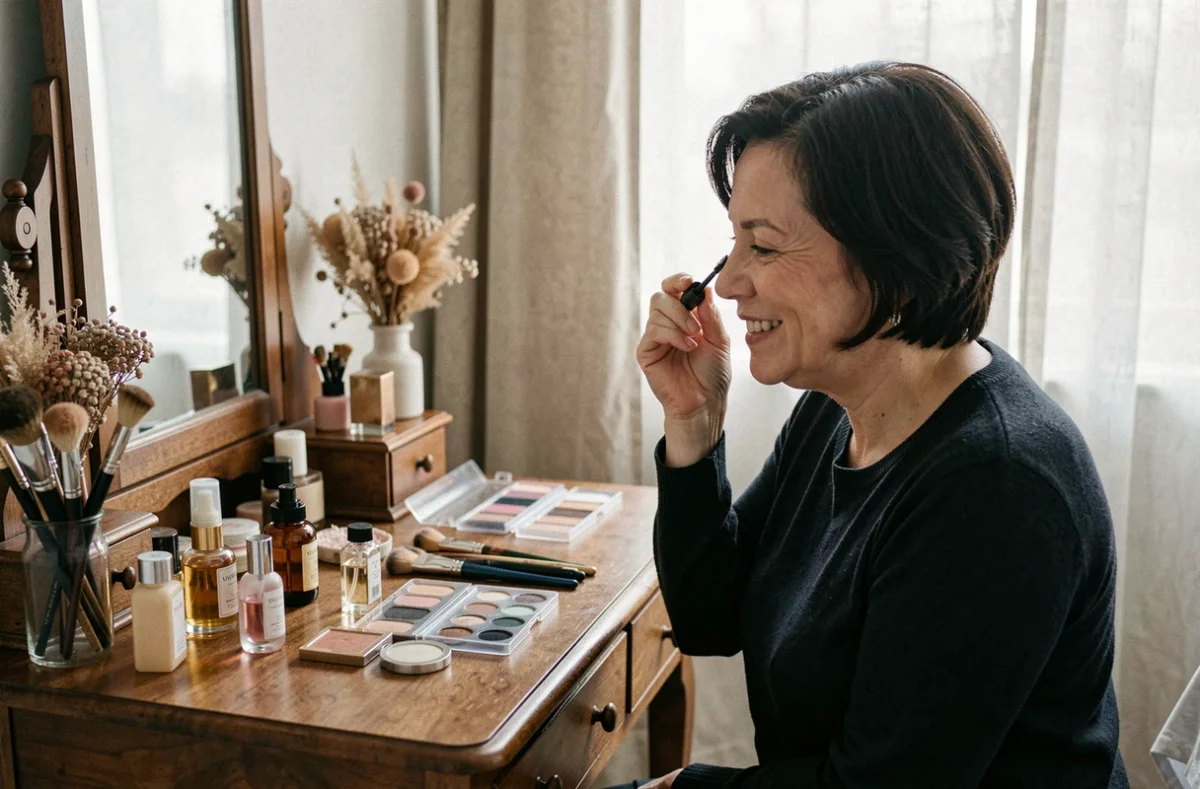
Specialized sources published in September 2026 converge on one observation: for reactive skin, three products are sufficient daily. The table below contrasts the two approaches.
| Criteria | Long routine (5 to 8 products) | Short routine (3 products) |
|---|---|---|
| Morning steps | Cleanser, toner, serum, eye cream, day cream, SPF | Gentle cleanser, moisturizing cream, sun protection |
| Risk of skin irritation | Higher (cumulative actives) | Reduced |
| Identification of intolerance | Difficult (too many variables) | Quick (only one product introduced at a time) |
| Monthly budget | Significantly higher | Controlled |
| Daily time | Several minutes morning and evening | Just a few minutes total |
The recommendation to introduce only one new product at a time is not just common sense advice. It is the only reliable method to isolate the cause of redness, tightness, or a breakout.
Skin cycling and alternating actives: the limits to know
Skin cycling, which involves alternating evenings dedicated to exfoliants, retinol or retinaldehyde, and soothing treatments, is often presented as the solution to the overload of actives. This method does not suit all skin types uniformly.
Sensitive or compromised skin from dermatological treatments may react even to alternating doses. In contrast, for combination to oily skin that tolerates acids well, skin cycling offers a structured framework that prevents the simultaneous application of incompatible actives.
Before following an active schedule found online, check two points:
- Is your evening cleansing gentle enough not to disrupt the skin barrier before applying the active?
- Does your recovery cream (on “off” nights) contain repair ingredients suitable for your skin type, and not fragrances that may cause a reaction?
- If you notice persistent redness after two complete cycles, the method is likely not suitable for your skin profile.
Combination of active ingredients: associations to avoid in your facial care
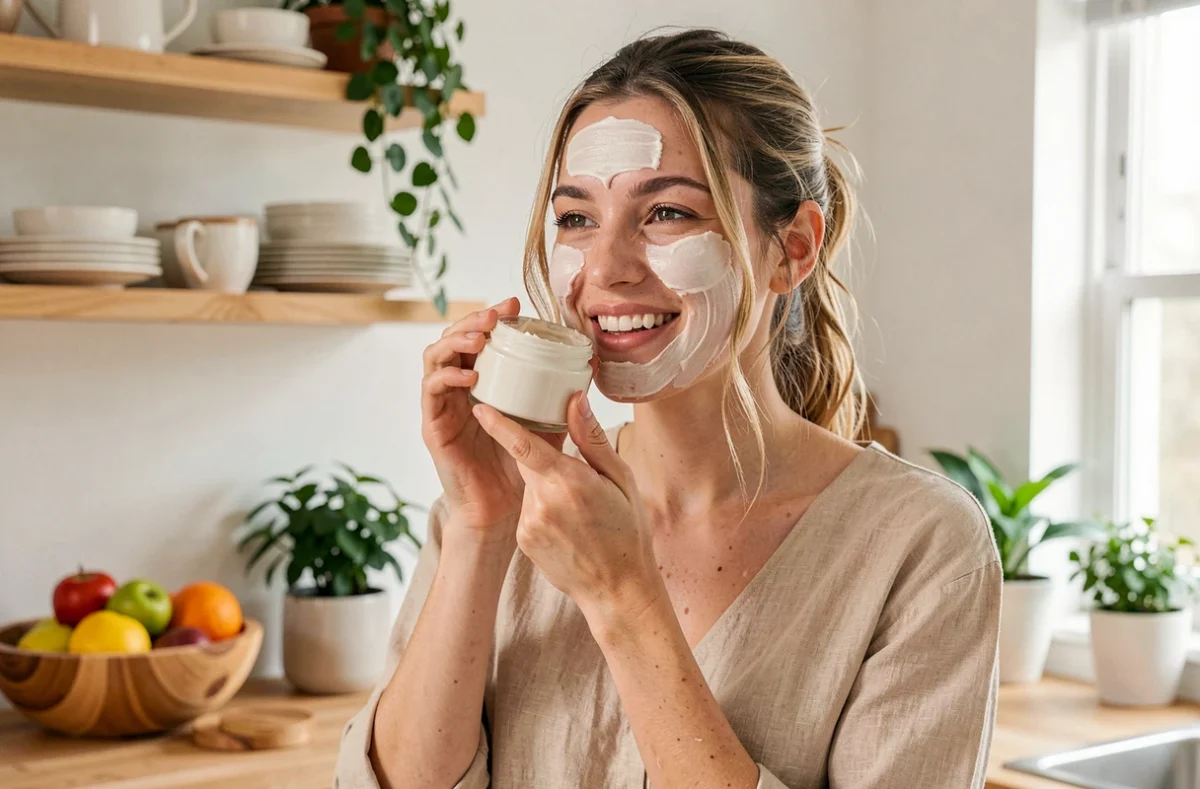
Layering a vitamin C serum in the morning and an AHA exfoliant in the evening may work for some people. Applying both at the same time often leads to irritation. The order and spacing of actives matter as much as their quality.
Here are some guidelines from pharmacists and formulators’ recommendations:
- Retinol (or retinaldehyde) should not be combined with exfoliating acids (AHA, BHA) during the same application. Alternating evenings remains the basic rule.
- Vitamin C is preferably used in the morning, before sun protection, for its antioxidant effect. Combining it with niacinamide in the same routine is not a problem, contrary to popular belief.
- Peptides should be applied after aqueous serums and before moisturizing cream. Mixing them with strong acids reduces their effectiveness.
Reading the INCI list of each product also helps identify duplicates. Two products containing the same active at different concentrations risk saturating the skin without additional benefit.
Refillable cosmetics and daily routine sobriety
The trend towards shorter routines aligns with environmental concerns. Refillable cosmetics are gaining ground in beauty, driven by a logic of reducing single-use plastic packaging.
Choosing a refillable format for your face cream or cleanser is not just an ecological gesture. It is also a natural deterrent to product accumulation. When investing in a durable bottle, you are less likely to make impulsive purchases of new products.
This sobriety has a measurable effect on the skin: fewer products mean fewer interactions between ingredients, lower risks of irritation, and a better ability to identify what truly works for your skin type.
The expanded labeling of allergens, recommendations for streamlined routines, and the rise of refillable formats indicate a similar movement. An effective beauty routine relies on the precision of choice, not on the number of bottles lined up in the bathroom.