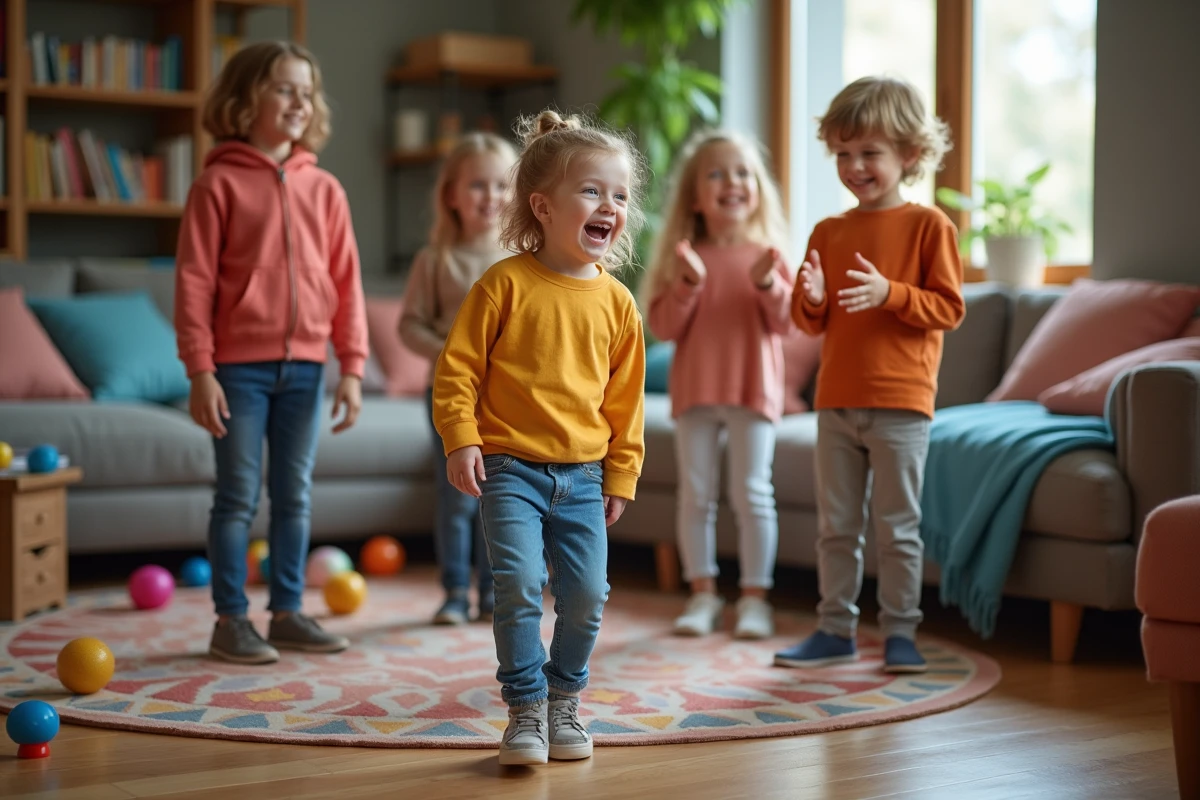
Some children’s games fail to captivate without a touch of challenge. Classic rules leave little room for spontaneity, while some groups prefer to bypass instructions to impose their own trials. Yet, even the most famous dares can quickly bore a dynamic assembly.
Dare repertoires vary significantly depending on age, occasion, or the group’s energy. Balancing safety, fun, and originality sometimes requires careful selection, especially when multiple generations are present. Renewed ideas, often stemming from shared experiences, circulate discreetly among families and savvy organizers.
Why dares transform children’s games into unforgettable moments
As soon as a challenge enters a game, everything changes. The dare is that little spark that shifts the stakes: the challenge is no longer just about winning or losing. Each mission launched becomes a unique moment, where the group discovers itself differently. Children watch for this transition, sometimes with a slight fear, often with a sly smile. And when the fateful moment arrives, the bursts of laughter come quickly, especially when the loser finds themselves facing a somewhat silly challenge.
Gradually, cohesion sets in. Everyone takes their chance, surprises or gets carried away, and it quickly becomes clear that the important part lies less in victory than in participation. The adult, guardian of the good atmosphere, ensures that no one feels uncomfortable. Here, there’s no question of punishment: the dare is an opportunity to break the ice, to encourage the more reserved to take the plunge, to applaud the courage of volunteers, and, above all, to weave memories that often linger long after the party. They are still talked about years later, photo in hand, during family reunions.
Whether it’s a birthday, a summer camp, a night at home, or a school party, slipping in a few well-thought-out challenges is enough to transform classic games. A quirky room tour, an improbable imitation, a declaration that goes in all directions, and voilà, the routine is swept away. The key is to find ideas that can surprise without making anyone uncomfortable.
For those looking to refresh their repertoire, Parlons Enfance’s children’s dare generator offers custom challenges, tailored to each age group and all circumstances. Enough to bring a breath of fresh air to every party and ensure shared laughter, regardless of the audience.
How to choose challenges suitable for every age and occasion?
The choice of a dare is not trivial: it shapes the group’s atmosphere and can make all the difference between a game that drags on and a session that is remembered. Adapting the challenge to the age, personality of each participant, and context is key. The facilitator, whether a parent, counselor, or leader of the day, must instill that spirit of kindness that encourages participation. The rules of the game must remain clear: no humiliation, no challenge that could make anyone uncomfortable or jeopardize the safety of any player.
Here are some guidelines to easily choose from dare ideas, considering the participants:
- For the youngest, favor creative or physical dares: imitate an animal, hop on one foot, make a funny face, draw blindfolded.
- As they approach adolescence, propose challenges of thought or expression: invent a story, recite a poem, guess a mimed expression.
- In family or among friends, vary the pleasures: crab walk around the room, friendship declaration, unexpected compliment.
Diving into current events, shared memories, or a specific theme can bring truly personalized dares to life. Keep in mind that the goal remains to bring people together, never to isolate. If a participant does not wish to take on a challenge, always have an alternative ready so they can stay in the game without pressure. Focusing on inclusion, balancing laughter and respect, is what makes an event successful where everyone feels at home.
Original and easy dare ideas to liven up your games with family or friends
Well-chosen dares refresh the atmosphere of children’s games and foster true camaraderie. They are easy to set up, accessible to all, and often require no materials. Here’s a selection that works every time, whether at a birthday, a family gathering, or an impromptu snack:
- Imitate an animal of your choice, making its sound and mimicking its movements. Guaranteed laughs for young and old.
- Sing the first song that comes to mind, even if off-key. Authenticity always hits the mark.
- Walk around the room like a crab, balancing and bringing good cheer.
- Give a sincere compliment to the person on your left. A kind dare, perfect for creating bonds.
- Say a word starting with the first letter of your name, but without thinking too long: the element of surprise highlights spontaneity.
- Draw an animal with your eyes closed: creativity and laughter assured.
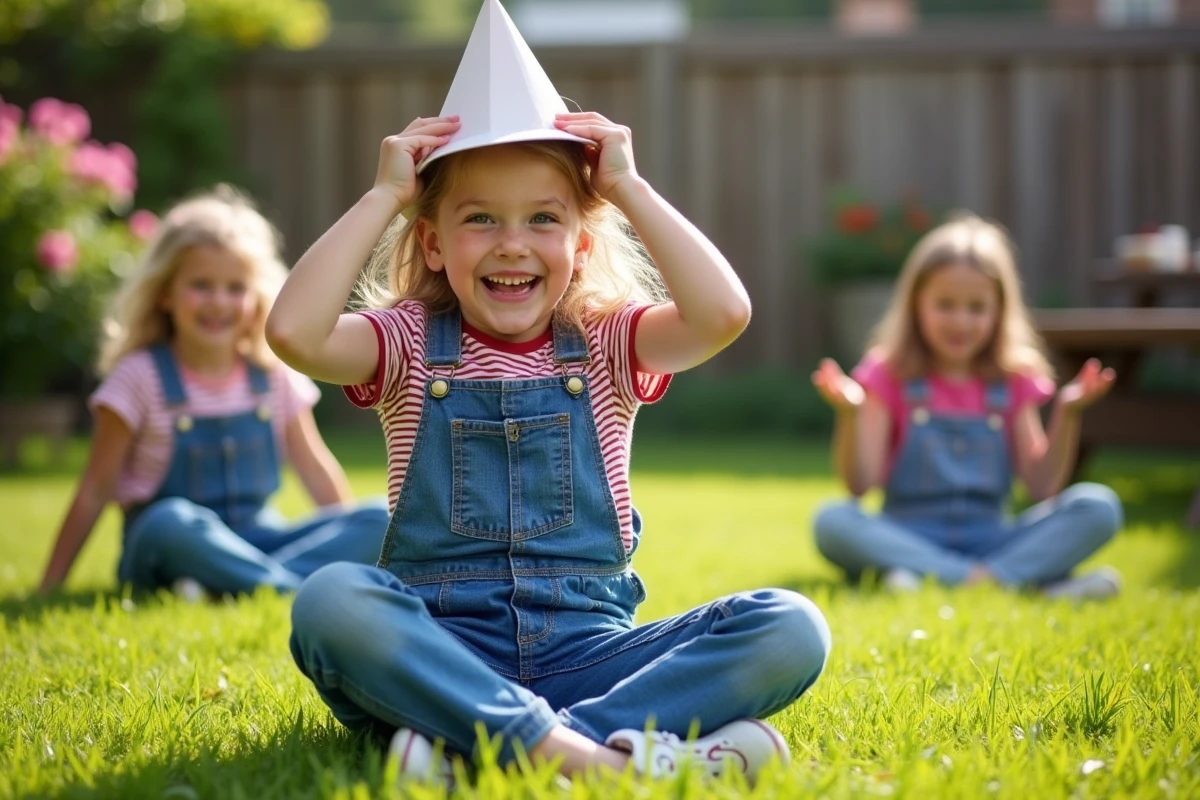
Remember to mix things up with a few accessories: a funny hat, a feather, a scarf for a blindfolded challenge. Games like “Truth or Dare,” the 12-month game, or variations of the killer game can also easily join the party. Need more examples? Ask everyone to invent a story from an object, mime a well-known expression, or recite a poem while changing their voice. This kind of challenge, even the simplest, often suffices to spark a good dose of memories, create a relaxed atmosphere, and remind everyone that here, it’s not performance that counts, but the joy of playing together.
The dare is merely a pretext: it opens the door to spontaneous camaraderie and genuine laughter. It leaves traces, sometimes discreet, sometimes striking, and we remember it long after the last game.