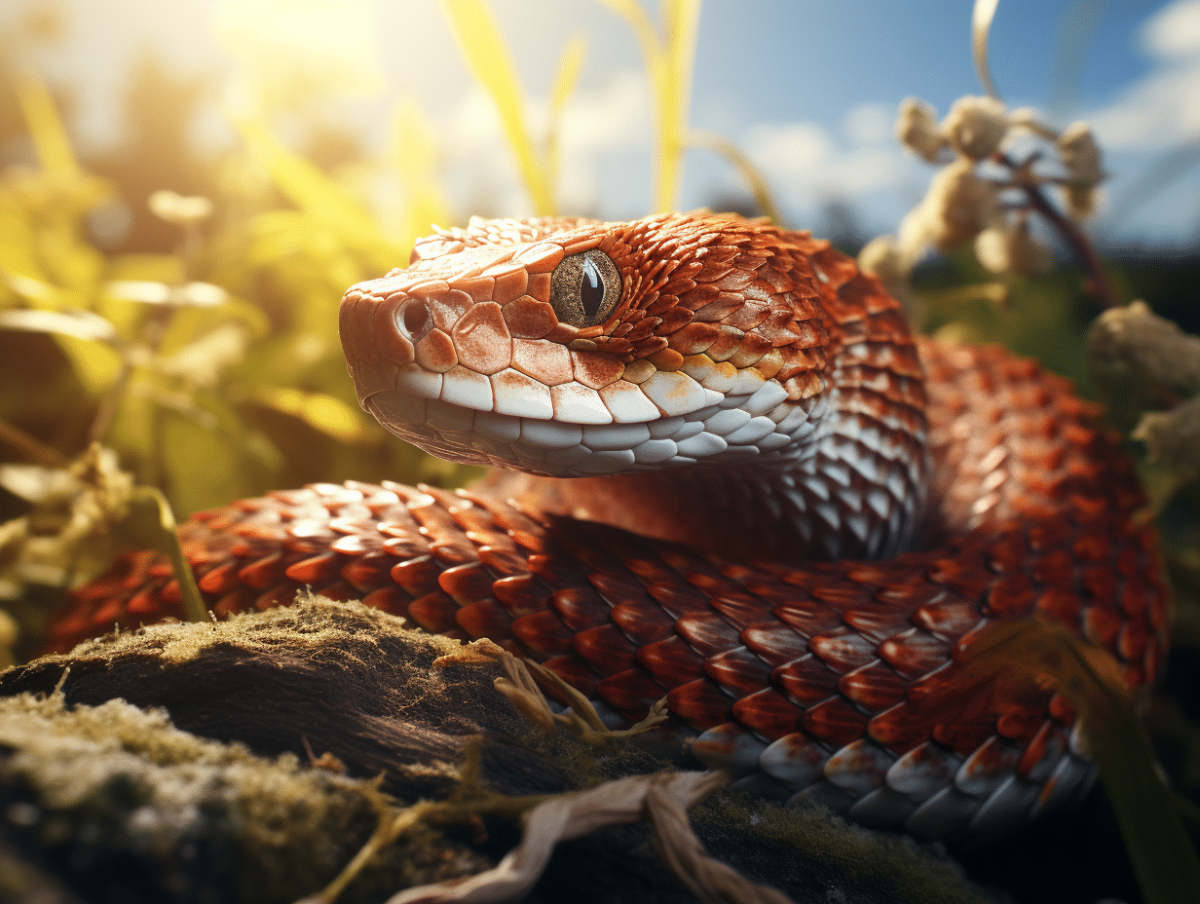
Reptiles, often mistakenly perceived as threatening creatures, possess a fascinating and diverse aesthetic, particularly among non-venomous snakes. These animals, which inspire fear in some, are actually species with major ecological roles and varied patterns of unexpected beauty. Their discreet lifestyle and interactions with their environment reflect a complexity that deserves attention and admiration. It is time to change the perception of these enigmatic beings and appreciate the palette of colors, shapes, and behaviors they offer to the natural world.
The Unseen Splendor of Non-Venomous Snakes
The beauty of snakes is revealed in the diversity of their scales, where each species displays patterns and hues that are natural works of art. Take the collared snake, for example, with its contrasting rings that give it a unique elegance, or the royal python, whose complex patterns seem hand-painted. These snakes, far from the negative image often attributed to them, embody a remarkable aesthetic variety and reflect an incredible palette of adaptive strategies and evolutionary traits.
The species of non-venomous snakes are as diverse as the ecosystems they inhabit. From humid tropical forests to arid deserts, they play a fundamental role in controlling populations of rodents and other small animals, thus contributing to natural balance. Consider the boa constrictor, a formidable yet indispensable predator, or the freshwater snake, which, through its discreet presence, indicates the health of the aquatic environments it frequents.
A careful study of non-venomous snakes offers a window into adaptation and survival across a multitude of environments. Observing them allows us to understand how such different creatures have developed strategies to coexist, sometimes under extreme conditions. The diversity of snakes is thus a mirror of the richness of life on our planet, with each species telling a unique story of evolutionary success and coexistence with their habitat.

Understanding and Protecting Non-Venomous Snakes
Understanding non-venomous snakes is a necessary prerequisite for their protection. These animals, often unloved and victims of prejudice, require special attention to ensure their conservation. The protection of snakes involves disseminating scientific information and raising public awareness of their ecological role. Their presence is an indicator of ecosystem health, and their disappearance could have unpredictable consequences for biodiversity.
The conservation of snakes is an issue that fits into broader initiatives aimed at preserving biodiversity and maintaining natural balance. Field actions such as creating nature reserves, regulating the trade of species, and combating habitat destruction are all concrete measures. Research programs that study living habits, movements, and specific threats to different species also contribute to this essential mission.
Integrating non-venomous snakes into a comprehensive approach to preserving snakes and ecosystems involves transdisciplinary collaboration. Scientists, policymakers, educators, and citizens must join forces to promote effective conservation strategies. The goal is to ensure the survival of non-venomous snakes, which, beyond their unique aesthetics, play a key role in the complexity of terrestrial life.