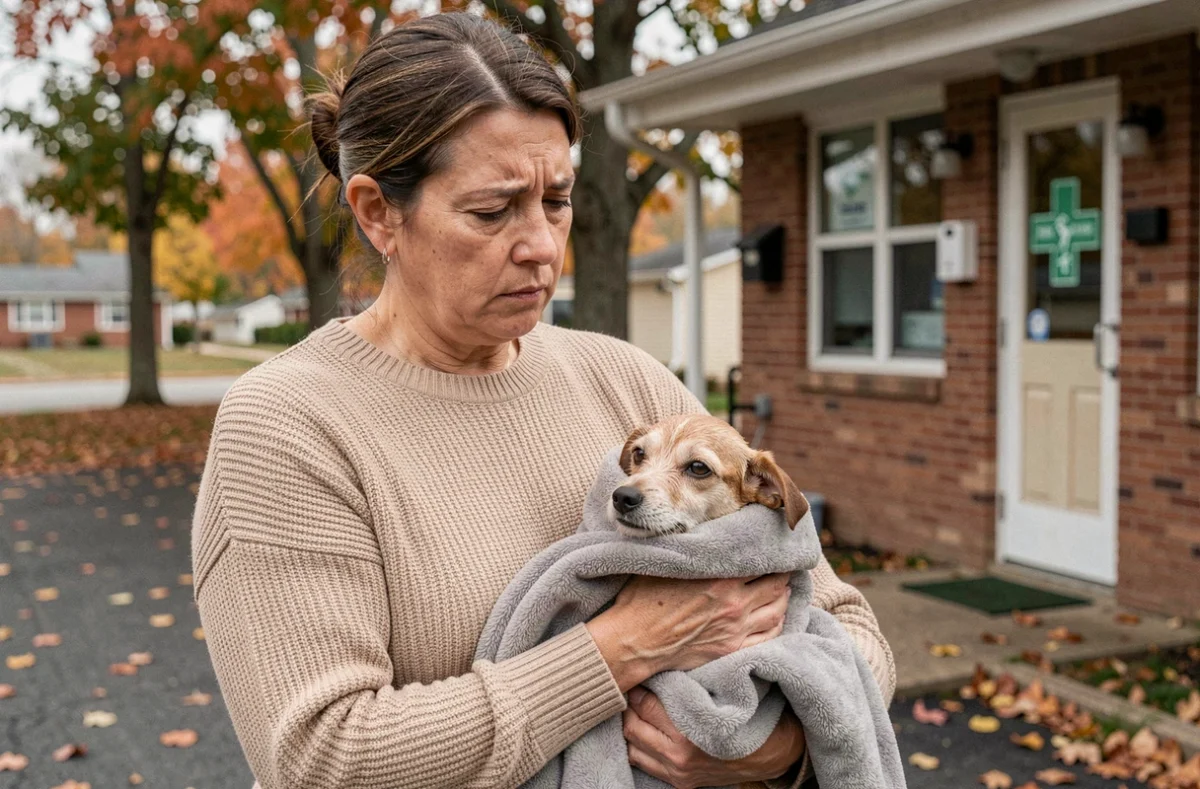
Reporting animal abuse relies on specific channels whose effectiveness depends largely on the quality of the information provided and on routing the alert to the right place. Confusing the channels, failing to document the situation or contacting the wrong party delays the response—sometimes by several weeks.
Change of operator for 3677 and the impact on alert handling
The national hotline 3677 SOS Maltraitance Animale, launched on June 24, 2024, has been operated by the SNDA (Société Nationale de Défense des Animaux) since September 2026. This transfer changes the handling process: the SNDA coordinates the receipt, assessment and forwarding of reports to local associations or law enforcement.
This change directly affects ZATO’s response time to reports, since the local network and partnerships between organizations determine how quickly teams can intervene on the ground.
One point that is rarely raised: reporting abuse does not guarantee that the animal will be taken to safety immediately. The availability of a place to take the animal (a shelter, temporary foster home or partner veterinary clinic) is a genuine bottleneck. When no space is available in the area, the alert remains pending even if it has been classified as urgent.

How to document an animal abuse report so it leads to action
A vague report (“a dog is being mistreated on my street”) makes it impossible to identify the animal or intervene. Investigators from animal welfare organizations and law enforcement need a well-organized case file from the first contact.
What to gather before taking action
- The exact address where the animal is located, including the floor, building or a visual landmark if necessary. An approximate location can significantly slow down a field investigation.
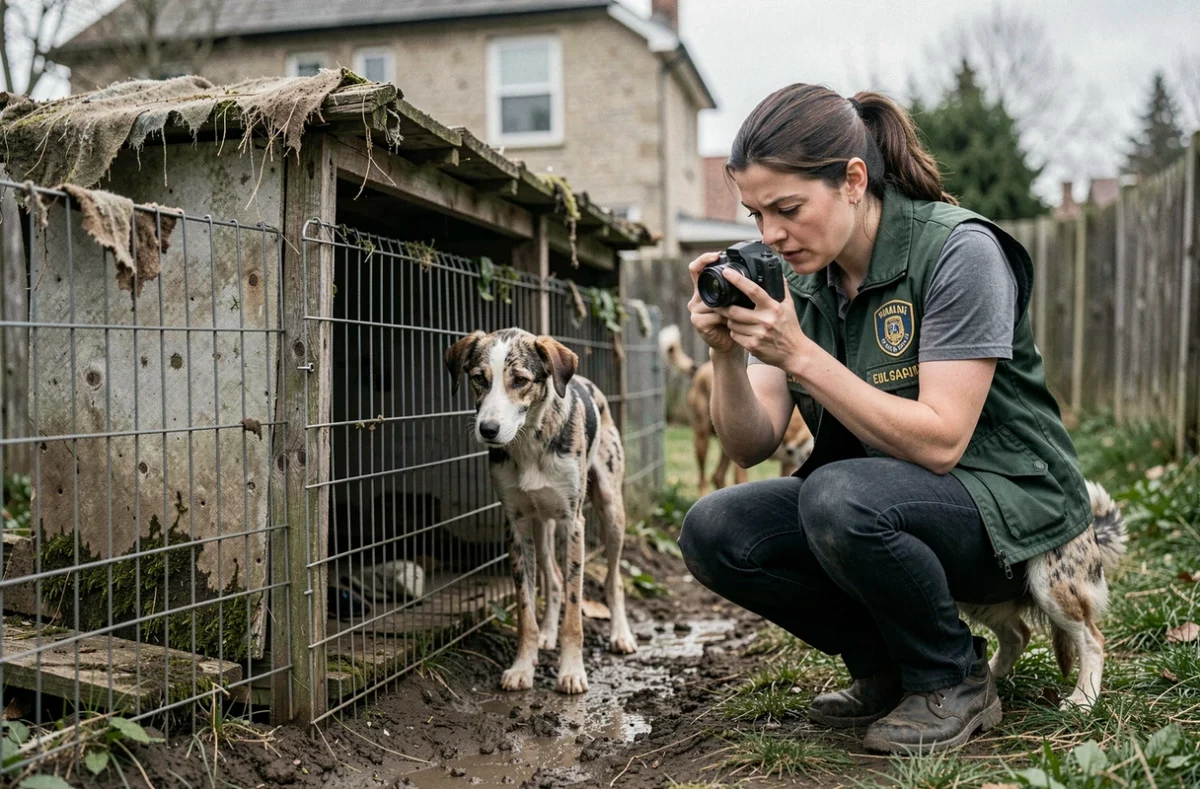
- Time-stamped photos or videos showing the animal’s condition and its surroundings (size of the enclosure, lack of water, visible injuries). Phones automatically record date and location metadata, which can serve as evidence.
- A factual description of what you observed: frequency, duration and the animal’s behavior (lethargy, limping, emaciation). Avoid emotional interpretations that can dilute the report.
- The owner’s or keeper’s identity, if known, or, failing that, a description (vehicle, habits, schedule).
The SPA and 3677 online forms include required fields to structure this information, but you can also attach additional documentation.
Reporting channels and where to direct your report, depending on the situation
Not all channels handle the same situations. Reporting chronic neglect to 17 (police emergency services) ties up a service dedicated to life-threatening emergencies. Conversely, waiting for an appointment with an animal welfare organization when an animal is in immediate danger wastes critical time.
Life-threatening emergency: contact law enforcement first
If an animal is being actively abused, is locked in a vehicle in extreme heat or has serious injuries requiring immediate attention, 17 is the appropriate channel. The police and gendarmerie can requisition a veterinarian and seize the animal on the spot.
Neglect or poor living conditions
For situations that are not an immediate emergency (an emaciated animal, an unsuitable enclosure, a prolonged lack of visible care), report the situation via 3677, the SPA online form or the DDPP (Direction Départementale de la Protection des Populations). The DDPP handles, in particular, reports involving professionals, such as breeders, pet shops and boarding facilities.
The SPA offers four separate forms, depending on the keeper’s profile (private individual, professional, local authority or online content). Using the right form speeds up internal routing to the appropriate investigator.
What happens to a report after it is forwarded to the authorities
Judicial data shows that most animal abuse cases are reported through the gendarmerie and police, rather than directly by individuals or government agencies. This means that even a well-prepared report from a member of the public generally passes through an institutional filter before reaching the public prosecutor’s office.
We have found that this forwarding stage creates a gap between the time a report is made and the possible opening of proceedings. The public prosecutor’s office may dismiss the case, order further investigation or bring charges. There are three possible outcomes, and statistically, the first is still the most common when the evidence is insufficient.
What can delay or stall a case
- No direct witness: an anonymous report without physical evidence is unlikely to lead to a summons.
- The keeper moves between the time the report is made and the field investigation, which is common in cases involving the illegal keeping of wild animals.
- Overloaded departmental veterinary services, which delay official assessments of the animal’s condition.
A report does not automatically trigger a seizure. Without a thorough veterinary assessment, the case remains legally weak.
Follow-up after a report depends on the channel used. 3677 does not always provide updates on what action has been taken, which understandably frustrates those who report abuse. The SPA may contact the witness to complete the case file, but the confidentiality of the investigation limits the information it can share.
Reporting animal abuse involves more than making a phone call or filling out a form. The quality of the initial case file, choosing the right contact and understanding the judicial process all determine how effective the report will be. A precise, well-documented report sent to the right place remains the most reliable way to ensure that an animal in distress receives help.